Hedge Trimming in Teddington

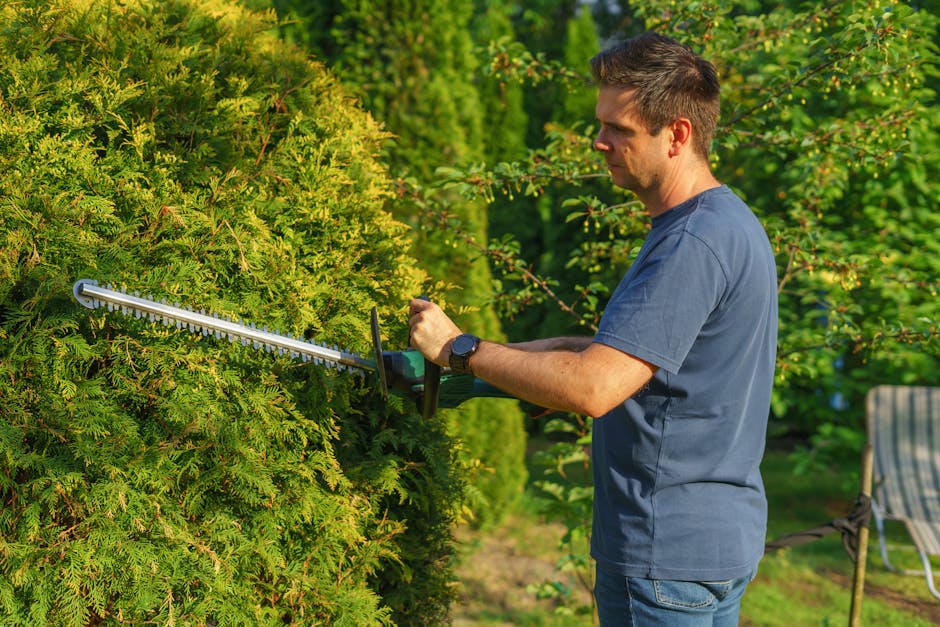
Hedge Trimming Teddington provides careful hedge cutting in Teddington for domestic gardens, boundary hedges and planted screening that needs regular shaping. Our service is focused on keeping hedges neat, healthy and manageable, with attention to clean lines, sensible height control and the practical finish a homeowner or landlord may want. Whether the hedge is formal and clipped or softer and more natural in outline, the work is planned to suit the plant, the season and the condition of the growth.
We trim hedges to improve appearance, maintain boundaries and reduce excessive spread into paths, drives and neighbouring spaces. Where a hedge has become dense, uneven or difficult to handle, the cut needs to be measured rather than rushed, because the best result depends on understanding where to remove growth and where to keep it. That is especially true for mixed hedging, mature specimens and shrubs that are being trained into a defined shape.
If you want a tidier front garden line, a better-managed garden screen or help with a hedge that has outgrown its space, our main aim is to deliver a result that looks balanced and remains practical to maintain. Request a quotation when you are ready to describe the hedge, its access and the finish you would like.
What our hedge trimming service covers
Hedge trimming is not just a matter of shortening everything to the same length. Different hedges respond differently to cutting, and a good finish depends on keeping the outer surface even while respecting the plant’s growth habit. We trim many common garden hedges to keep them compact, encourage denser growth near the sides and help the hedge retain a consistent profile through the season. That can include annual maintenance cuts, corrective shaping and the kind of careful reduction that restores a hedge to a sensible outline without stripping it back too harshly.
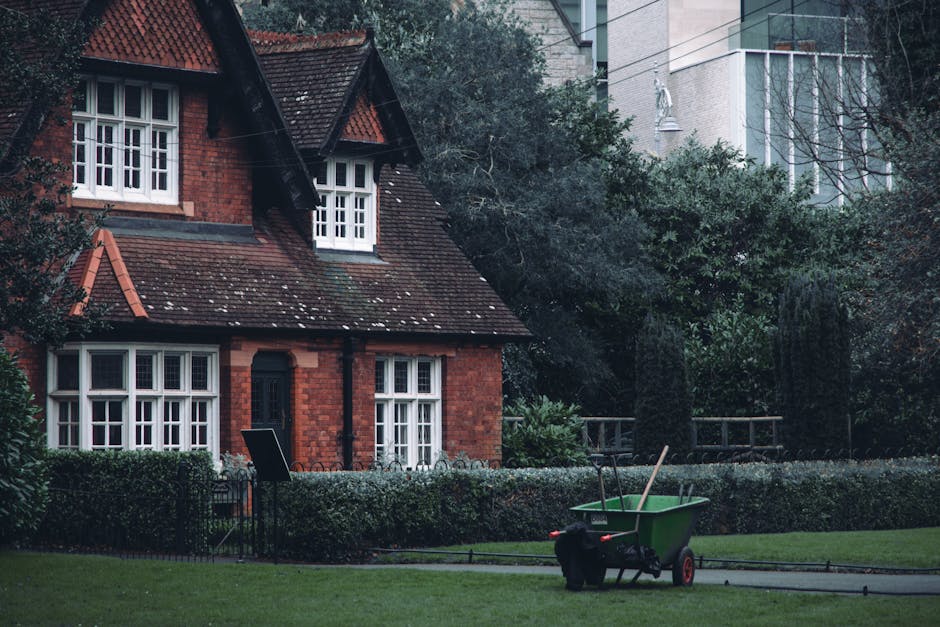
Our work can suit front boundaries, rear garden screening, internal garden divisions and hedges that run alongside fencing or paving. Where a hedge borders a walkway or entrance, trimming can improve access and visibility. Where it forms part of a privacy screen, the emphasis may be on keeping the height controlled while preserving coverage. If you are comparing options, the key question is usually whether the hedge needs a light tidy, a stronger cutback or a phased approach that helps it recover over time. Our services overview gives a wider view of the main garden work available.
How we approach the cut

Good hedge trimming should leave a clear, even line, but it should also respect the health of the plant. That means paying attention to growth density, branch structure and the direction of the cut. On many hedges, the sides are trimmed so the base receives enough light and the top does not become heavier than the lower growth. On taller hedges, a controlled taper can help the whole hedge stay fuller and more stable in appearance.
We also consider the practical limits of the hedge itself. Some plants tolerate repeated shaping well, while others need a lighter touch or more careful timing. A hedge that has not been trimmed regularly may need to be handled in stages rather than forced into a single severe cut. That is one reason clients often ask for a quotation after sharing a few details about the hedge type, approximate size and access. A short explanation of the result you want is often enough to guide the next step, and clear information helps the estimate reflect the work properly.
Before trimming begins, it is sensible to think about the finish you prefer: straight and formal, slightly softened, or simply back within bounds. Choose the look first, then the cut, because that makes the result easier to judge. If you would like to talk through the job, you can also use our contact page to ask for a quotation.
Regular maintenance and seasonal trimming
Some hedges benefit from frequent light trims, while others are better managed with one or two more substantial cuts each year. Regular maintenance can keep new growth under control and reduce the need for more dramatic correction later. It can also help formal hedges keep crisp edges and maintain a more even density across the full length. In practice, the right schedule depends on the hedge species, how fast it grows and how neatly you want it to look.
Seasonal timing matters because a hedge trimmed at the wrong point can lose shape too quickly or recover unevenly. Some gardens suit an early tidy before growth becomes vigorous, while others need a later cut to refine the shape after the main flush. Where nesting birds or sensitive planting are relevant, the timing and extent of the work need proper consideration. A sensible maintenance plan is often simpler than an occasional hard cut, particularly where the hedge is used for privacy or forms a clear feature in the garden.
For homeowners who want the hedge to stay presentable with less upheaval, a routine trimming approach is often the most practical. It keeps the outline under control and can make each visit quicker than waiting for growth to become unmanageable. If the hedge has been neglected for a while, the work can still be approached carefully, but it may need a more deliberate finish and, in some cases, staged reduction rather than a single sharp correction.
Shaping formal and informal hedges
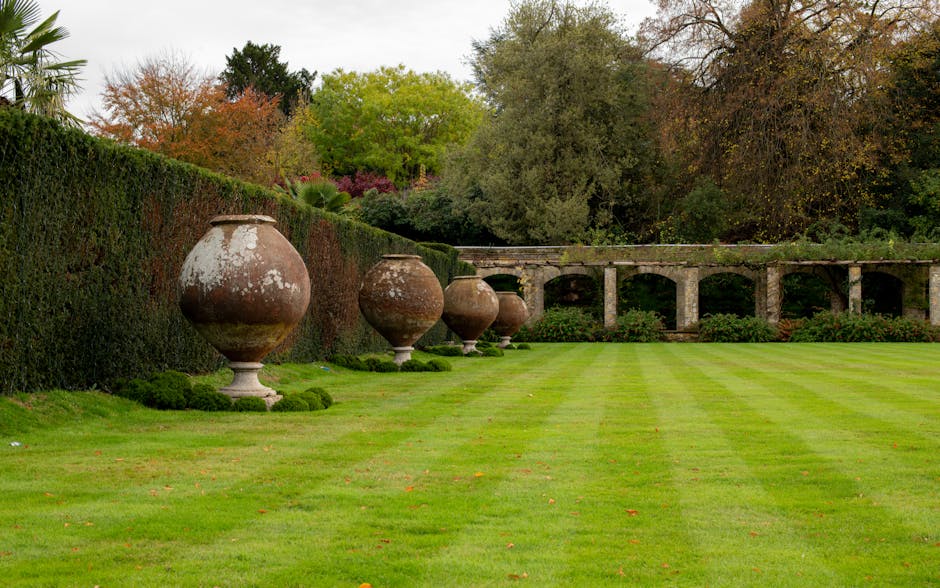
Different gardens call for different styles of trimming. A formal hedge often needs straight lines, level tops and consistent width so that it reads as a clean architectural edge. An informal hedge may be guided more by balance and proportion than by absolute precision, but it still benefits from a tidy finish that respects the natural outline. In both cases, the quality of the trim shows in the details: the straightness of the face, the neatness of the top and the way the corners are managed.
We can trim hedges that act as a frame for lawns, patios, driveways and paths, where the hedge line contributes as much to the overall look as the planting itself. A well-cut hedge can make the whole garden feel more ordered without drawing attention to the work that was done. That balance matters because hedges often sit close to other features, and a careless cut can leave the garden looking harsh rather than refined. Good trimming keeps the planting strong while improving the presentation.
When a hedge has grown unevenly, the shape may need to be corrected gradually. In those cases, the aim is not perfection at the first attempt but a practical improvement that can be maintained over time. Steady correction usually gives a better long-term result than aggressive reduction, especially on hedges that form part of the garden’s structure. Garden maintenance can be a useful option where hedge care sits alongside other regular outdoor upkeep.
Access, preparation and quotation details

To prepare for a quotation, it helps to share the hedge type if you know it, approximate length and height, whether the hedge is front or rear facing, and whether there are any access restrictions. Photographs can be useful where a hedge is tall, runs along a boundary or has uneven sections that are hard to describe. These details help us understand the scale of the trim and the sort of finish you want, without turning the process into an unnecessary survey. The more plainly the hedge is described, the easier it is to match the work to the request.
Access can make a significant difference to how hedge trimming is planned. A hedge beside a clear lawn edge is different from one overhanging planting beds, a sloping garden or a narrow side return. Nearby surfaces, garden ornaments and soft planting may need care while the cut is being carried out. If clippings need to be collected from awkward areas, that also affects the practical approach. The quotation stage is the right time to mention gates, steps, steep sections or any part of the hedge that is difficult to reach safely.
If you are comparing ways to request a price, a short summary of the hedge and the finish you want is usually enough to start. You can keep it simple: what needs trimming, how much attention it needs and whether you want a tidy-up or a fuller reshape. From there, pricing and quotes can be discussed in a way that reflects the actual work rather than a generic estimate.
Related garden services for a cleaner boundary
Hedge trimming often sits alongside other garden tasks, particularly where the hedge is part of a wider boundary or the garden needs a more complete tidy. If the surrounding areas are overgrown, a hedge cut can look even better when the rest of the space is also brought back into order. That may include cutting back soft growth, dealing with grass that has crept too far, or shaping planted areas so the hedge line is more visible and the garden feels more coherent.
Where a hedge forms part of a larger boundary treatment, other improvements may be relevant too. For example, a hedge beside a fence or paved edge may benefit from additional groundwork, while a garden with several different plant layers may need broader attention to keep everything balanced. Our garden clearance page is useful if the hedge work is part of a larger clearance task, and lawn mowing may be relevant when the hedge sits within a lawned garden that needs regular care.
In some cases, the right approach is not just about one hedge, but about how the hedge sits within the whole outdoor area. Trimming can improve the line and the light, while complementary work elsewhere can improve the overall finish. That is why some customers choose to combine hedge care with broader garden maintenance instead of tackling each element separately. The result is often a more consistent appearance, especially where the garden is viewed from the house or along a boundary.
Choosing the right level of hedge work

Not every hedge needs the same intensity of cutting. A well-kept hedge may only need a light shape and edge tidy, while a hedge that has been left too long may need a fuller reduction in width or height. Choosing the right level of work is important because cutting too much at once can leave gaps or expose bare sections. On the other hand, trimming too little can fail to address the problem and may leave the hedge awkwardly uneven.
The best result usually starts with a simple decision: are you looking for routine maintenance, a corrective trim or a more substantial reshaping? Once that is clear, the rest of the work can be judged against the hedge’s condition. This applies whether the hedge is formal, mixed or a mature boundary planting. Visible changes are best made with restraint, because the plant must still be able to recover and continue providing coverage, shape and structure.
Where a hedge has grown well beyond its intended size, it may not be possible to restore it fully in one visit without affecting the plant’s appearance. In that situation, a phased approach can be more suitable. The benefit of a thoughtful trim is that it leaves the hedge easier to maintain afterwards, and it gives you a clearer baseline for future care. If the hedge is part of a larger outdoor project, landscape gardening may be worth considering for the surrounding layout.
About Teddington
Teddington is a riverside area in the London Borough of Richmond upon Thames, positioned between Hampton Wick and Strawberry Hill and closely associated with the north bank of the River Thames. The area has long had a distinctive identity, shaped by its historic development from a village on the edge of London into a suburban district with a mix of residential streets, local shops and notable civic and leisure buildings. One of its best-known landmarks is Teddington Lock, a striking point on the river where the Thames becomes tidally influenced upstream of the structure. The surrounding towpath and riverside edges give the area a strong connection to walking, boating and other water-based activity, while also linking it to wider movement across west London.
Broader garden work and boundary improvements
Some hedges sit within gardens that are being improved more widely, so trimming becomes one part of a broader update. In those cases, customers may want the hedge brought into line with new paving, fresh planting, a revised layout or a cleaner boundary edge. Trimming can support that by improving definition and creating clearer sightlines across the garden. Where the hedge is just one element in a larger plan, it is worth thinking about how it relates to adjoining areas rather than treating it as an isolated strip of growth.
Our landscaping page covers wider outdoor changes, while decking services may be relevant if the hedge borders a seating area or raised platform that benefits from a better-framed setting. These are different types of work, but they often work well together because the hedge can either soften or sharpen the final appearance of the space. Careful trimming helps the other elements read more clearly and can reduce the sense that the garden is crowded or unfinished.
Where hedges are part of a bigger planting scheme, the right finish can also help nearby plants receive more light and space. That may be useful around borders, patios and shared edges. If your garden includes trees or taller growth near the hedge, tree lopping and removal may be relevant for larger branches that affect the hedge line, although the two tasks are different and should be considered on their own merits.
Getting a quotation for hedge trimming

When you are ready to ask for a quotation, it helps to keep the request practical and specific. Tell us what needs trimming, how tall or long the hedge is, whether the job is a one-off tidy or ongoing maintenance, and if there are any access points or obstacles worth noting. If the hedge has areas that are thicker, higher or more awkward than the rest, mention those as well. A clear enquiry helps the price discussion focus on the actual work rather than assumptions.
We can then consider the hedge’s condition and the type of result you want, whether that is a cleaner outline, a more formal finish or a sensible reduction to restore control. If you are also reviewing your garden upkeep more generally, garden maintenance can be a useful page to read alongside this service. For straightforward hedge trimming in Teddington, the aim is always to offer a neat, workable result that suits the space and the plant.
Request a quotation today if you would like your hedge trimmed with care and a clear finish. You can use our contact page to start the conversation and share the details that matter most.